
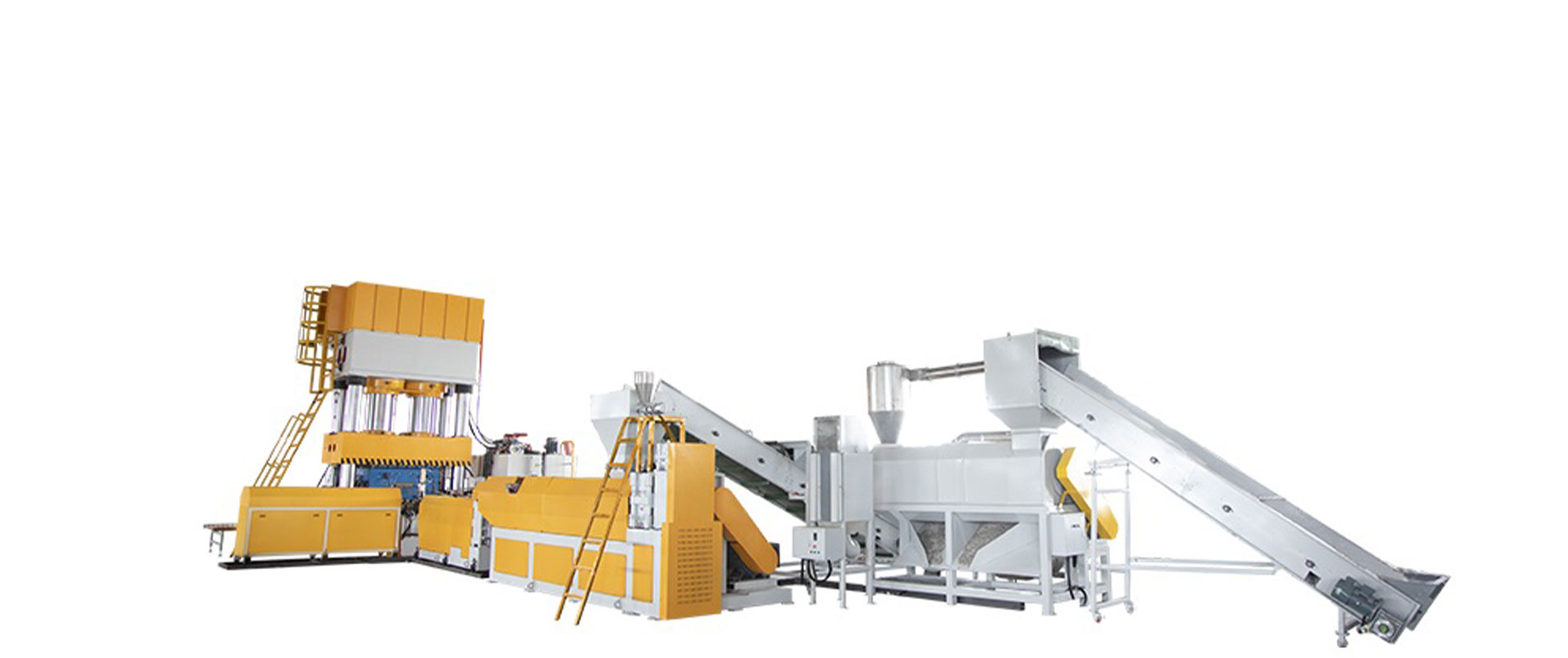
Mixed hard waste plastic is commonly encountered in daily life, with its volume being second only to that of film waste plastic. Examples include: mixed hard materials; industrial head waste; domestic mixed materials; waste plastic from household appliances; small hollow containers; barrel materials; waste pallets; and daily miscellaneous materials.
For relatively clean hard waste plastic, it can be directly crushed to the required particle size and then fed into the "Two-Step Mixed Waste Plastic Pallet Molding Equipment" to produce the desired products, such as pallets, manhole covers, and plaza tiles. Some dirty hard materials can also be directly utilized after undergoing washing, drying, and spin-drying.
Hard waste plastic accounts for 58% of the total plastic waste.
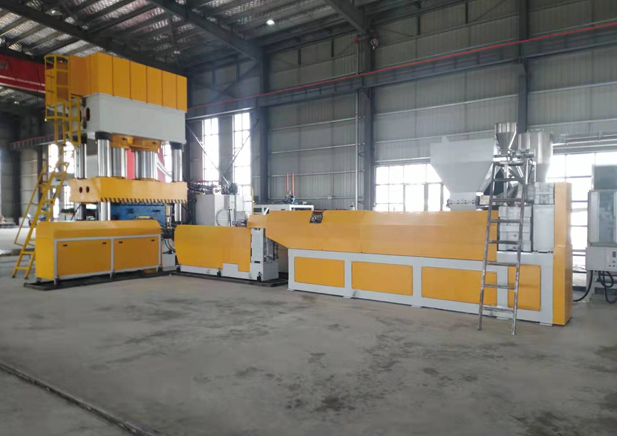
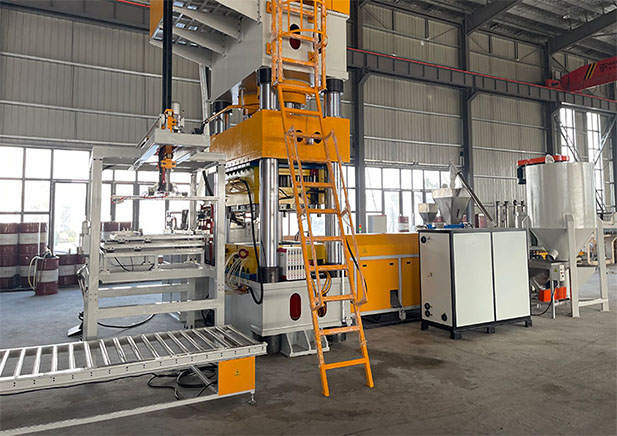
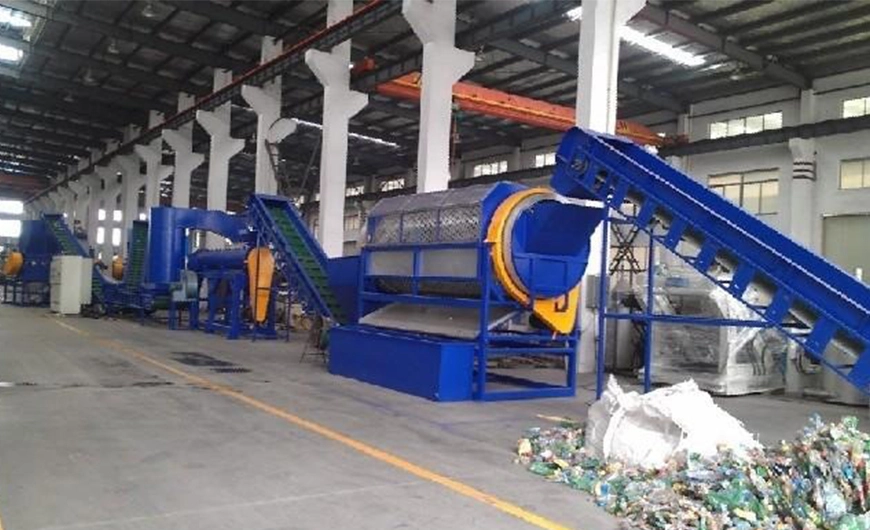
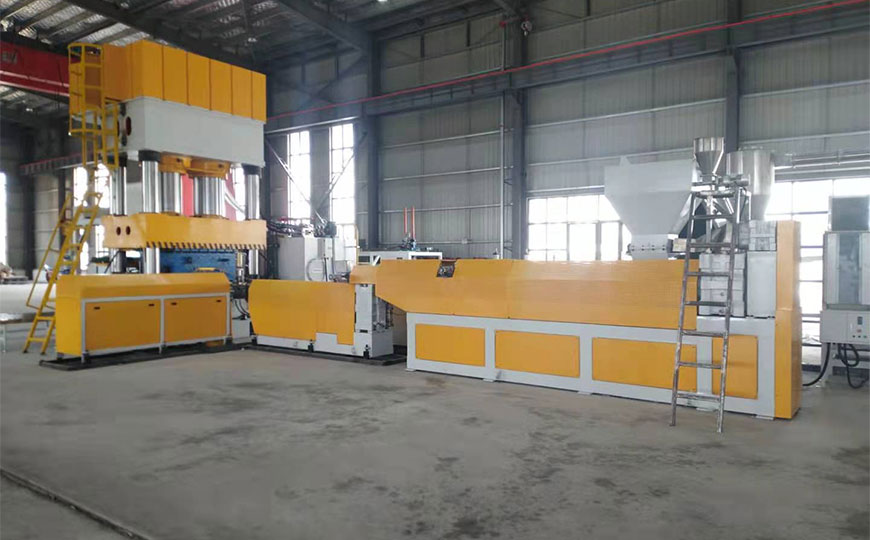
Plastic pollution has become one of the most pressing environmental concerns, as the rapidly growing production of single-use plastic products outstrips the world's ability to deal with them. Plastic pollution is most pronounced in developing countries in Asia and Africa, where waste collection systems are often inefficient or non-existent. But developed countries, especially those with low recycling rates, also struggle to properly collect waste plastic. To this end, we have developed mixed waste plastic cleaning equipment like waste plastic extrusion machine and granulation equipment for processing, and then use "mixed waste plastic extrusion molding equipment" to make the products we need, trays, manhole covers, flower pots and other products.
Through the design of the barrel and the screw, the main difficulties of mixing, dispersing, plasticizing and mixing mixed waste plastics can be solved;
Through technical research, the measurement problem of products has been solved;
Through the improvement of the storage system, the problem of insufficient injection force has been solved;
Realize intelligence through automatic design.
 +8618233123370
  admin@gwrecyclingmachines.com
 English
 中文
中文 日本語
日本語 한국어
한국어 français
 Deutsch
 Español
 italiano
 русский
 português
 العربية
 Türkçe